
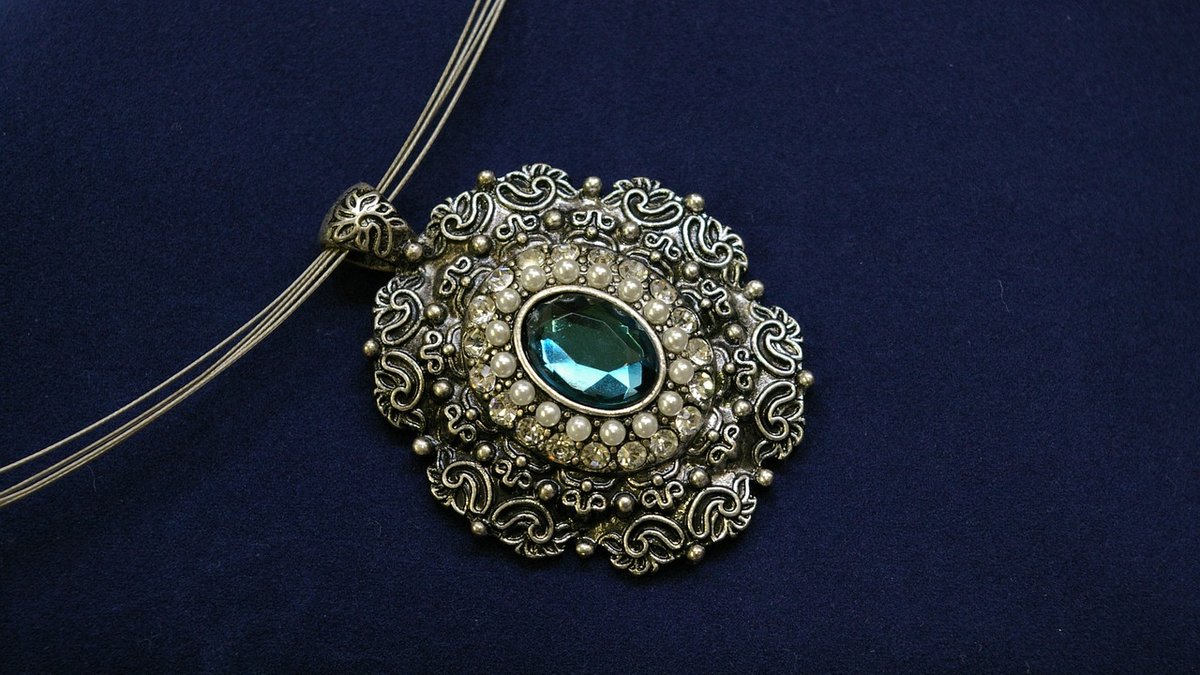
Commissioning a piece of handcrafted gemstone jewellery is a different experience from buying something from a cabinet. You are not choosing from what exists; you are deciding what should exist, and trusting someone to make it. That trust is best built through conversation, and a good maker will welcome your questions rather than deflect them.
Before you discuss a budget or a design, ask how the work actually happens. Who draws the piece? Who sets the stones? Is any part of it sent elsewhere, and if so, where? A confident maker will describe the journey from sketch to finished piece in plain language, and will tell you honestly where their own skills end.
Sourcing is one of the clearest markers of a maker's values and their standards. It also affects the price, so it is worth understanding early.
Gemstone selection is where a bespoke commission really earns its keep, so ask to be involved rather than simply shown a finished result.
You should never reach the making stage without a clear picture of what you are getting. Ask whether the design will be presented as hand-drawn sketches, a technical drawing, or a computer-rendered image. Wax or resin models are useful for trying on a three-dimensional shape, particularly for rings, and most makers will provide one for a modest fee.
Confirm how many rounds of amendment are included. Two or three is typical; unlimited revisions are rarely offered, and you should be wary of anyone who promises them without adjusting the price. Get the final design signed off in writing before work begins.
Bespoke work takes time, and unrealistic deadlines cause most of the friction in this trade. A simple pendant might take three to four weeks; a complex engagement ring with a sourced stone can take eight to twelve. If you need it for a specific date, say so at the first meeting and ask for a written schedule.
On money, ask directly:
The relationship does not end at collection. Ask what aftercare is included, and for how long. Most makers offer a complimentary clean and polish, and often an annual check of claws and settings, for the first year or two.
Find out whether resizing is free or charged at cost, and how many sizes the design can safely accommodate. A channel-set band can usually be altered by one or two sizes; a full eternity ring sometimes cannot be resized at all.
Finally, request a written valuation or detailed receipt for insurance purposes, listing metal, carat weight, stone measurements and the maker's mark. Ask where the piece should be taken if it needs repair in five years' time. A maker who answers all of this cheerfully, before a deposit is mentioned, is the one to commission.

Hi, my name is Anthony kuber. I am artist and fashion designer.
I love to travel and writing blogging.
Your email address will not be published. Required fields are marked *
Software Developer & Writer
Hey, I'm Diva, a developer and writer blending code and creativity. I'm driven by a deep curiosity and a relentless pursuit of excellence. Join me as I craft digital solutions and captivating stories.


