
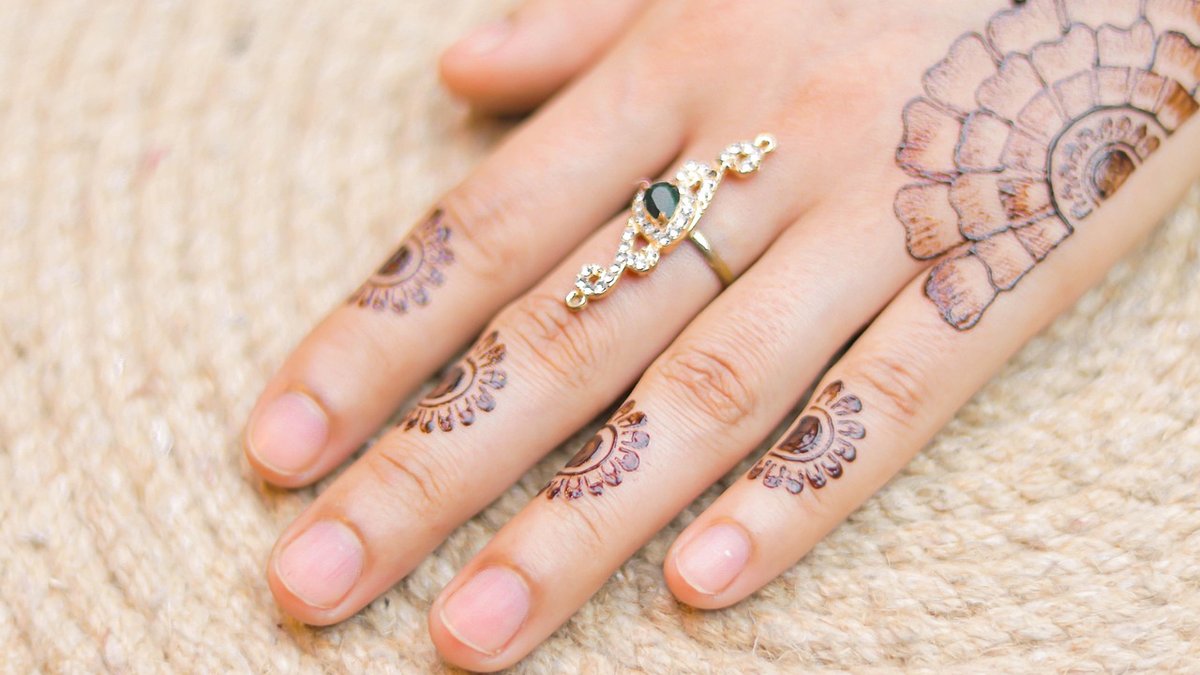
A wedding ring is the one piece of jewellery most of us never take off, which means it has to survive everything the rest of the day throws at it. If your hands are in and out of gloves, gripping handlebars, hauling shopping, kneading dough or lifting weights, the ring you choose on a quiet afternoon in a showroom needs to make sense in those moments too. Before you fall for a design, think honestly about a typical week: how often you grip, lift, twist and knock. That single question will guide almost every decision that follows.
There is no need to compromise on beauty. Handcrafted rings can be graceful and hard-wearing at once. You simply need to choose the details deliberately.
Height is the enemy of a working ring. A tall setting catches on knitwear, gym straps and gloves, and each snag levers the stone against its claws.
If you love the look of a raised stone, keep the setting low and chunky. A shallow basket with four robust claws will cope far better than a delicate eight-claw crown.
Metal choice matters more than many couples expect.
Whichever you choose, ask about the finish. A brushed or satin surface hides the small scuffs of daily life, whereas a mirror polish shows every one. Brushed rings can also be re-textured later, which keeps them looking cared for rather than worn out.
A comfort-fit band curves gently on the inside, so the metal meets your finger across a broader area instead of a single edge. The difference is noticeable if you wear the ring all day: less pinching, less spinning, and easier passage over the knuckle. Do bear in mind that comfort-fit rings can feel a touch looser, so have your size checked with the exact profile you intend to buy, ideally at the end of the day when fingers are at their largest.
Width is a question of balance. A 3mm to 4mm band usually sits well on an active hand — substantial without feeling bulky — while very wide bands trap moisture and can feel cumbersome during a workout. Consider a gently tapered band if you want visual presence without the extra weight.
Not all gems cope equally well with knocks.
A practical compromise is a plain band with a single flush-set diamond or a slim row of channel-set stones — sparkle that stays protected. If your heart is set on a softer gem, treat that ring as a dress piece and keep a simple band for work and training days.
Good habits keep a ring safe for decades. Take it off for the gym, for heavy gardening and for anything involving machinery, and keep a small dish or pouch by the sink and in your bag so you are never tempted to leave it loose. Wash it at home with warm water, a drop of washing-up liquid and a soft brush, then dry it with a lint-free cloth. Skip ultrasonic cleaners if your ring holds opals, pearls or emeralds.
Have the setting checked by a jeweller every six to twelve months, paying particular attention to claws and channel edges, and ask for a written valuation for insurance. Choose your ring for the life you actually live, and it will still look right on your hand in thirty years.

Hi, my name is Anthony kuber. I am artist and fashion designer.
I love to travel and writing blogging.
Your email address will not be published. Required fields are marked *
Software Developer & Writer
Hey, I'm Diva, a developer and writer blending code and creativity. I'm driven by a deep curiosity and a relentless pursuit of excellence. Join me as I craft digital solutions and captivating stories.


